Peach Aviation
$135
Pingsme.com compares prices from 87 airlines on the Taipei–Tokyo Narita route and highlights useful fare changes.
Pingsme.com monitors airlines operating the Taipei (TPE) to Tokyo Narita (NRT) route. We check prices regularly and surface useful drops and fare signals. Prices shown are per person, one-way, in economy class.
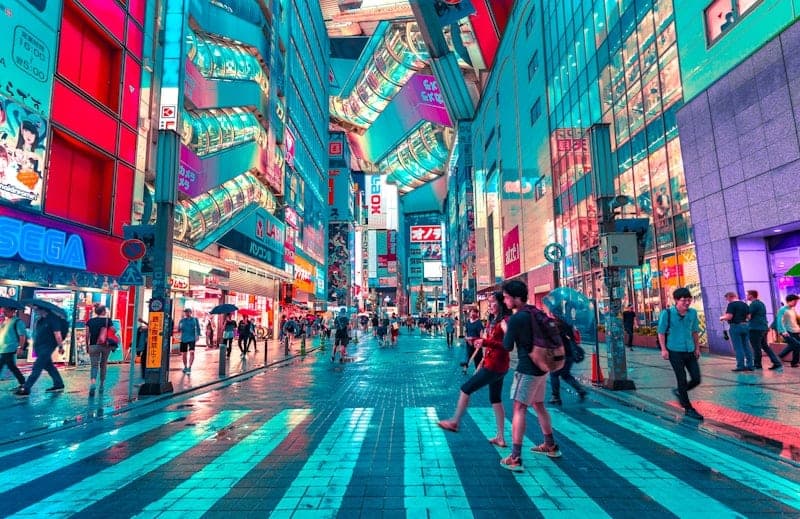
Few international city pairs feel as routine as Taipei to Tokyo. Japan is Taiwan's most familiar overseas destination, and the traffic runs both ways: Taiwanese travellers heading north for food, hot springs and seasonal scenery, Japanese visitors coming the other way, plus students, business passengers and repeat visitors who have long since stopped counting their trips.
The route also works as a link in a longer chain — travellers from Vietnam can reach Tokyo via Taiwan by first flying Ho Chi Minh City to Taipei, priced at /en/flights/sgn-tpe.
Pingsme compares fares from 87 airlines across 109 routes and refreshes prices every two hours. Regular flyers on this corridor tend to book quickly, and a live price benchmark is the simplest way to avoid overpaying out of habit.
Two seasons dominate demand. Spring, March through May, culminates in the cherry blossom peak between late March and mid-April, when Tokyo settles at a comfortable 15–22°C — the most competitive dates of the year to book. Autumn, October and November, is the connoisseur's season: 15–20°C, maple colour and a calmer city than spring.
Then there is winter, December to February, which many experienced travellers quietly prefer. It is cold, 2–10°C, but the payoff is a triple one: the clearest Mt. Fuji views of the year, illumination displays across the city, and the lowest flight prices — a strong argument if you fly this route more than once a year.
Tokyo runs on UTC+9, an hour ahead of Taipei, so your schedule barely shifts — a morning departure still leaves you a usable afternoon. Payments need a little more thought: the currency is the Japanese Yen (JPY), and Japan remains fond of cash, with many small restaurants and shops refusing cards outright. ATMs inside 7-Eleven, Lawson and FamilyMart handle international cards.
The first purchase to make is a Suica or Pasmo IC card at the airport; it works across trains, buses and convenience stores. Japanese is the working language, and station signage is easy to follow. Google Maps navigates Tokyo's rail network accurately and works offline, with Navitime and Japan Travel as alternatives — and a pocket WiFi device or eSIM is worth arranging, because free WiFi thins out quickly beyond stations and cafés.
Asakusa gives you the lowest room rates and the most traditional streets, centred on Sensoji Temple. Shinjuku is the mid-range default with unmatched transport links. Shibuya and Omotesando represent the luxury tier, a short walk from Shibuya Crossing and the fashion district.
If it is a first trip, the shortlist is clear: Sensoji Temple, Shibuya Crossing and the Hachiko statue, breakfast at Tsukiji Outer Market and an evening at TeamLab Borderless. Returning visitors will get more from the wider itineraries in the Pingsme Tokyo guide at /en/destinations/tokyo, which covers neighbourhoods and day trips in detail.
Content updated: 2026-09-12
Pingsme.com tracks routes from Vietnam and highlights useful fare opportunities from the homepage.
Browse all deals